Between Stone and Earth:
From southern Italy to the Yucatán Peninsula, an invisible thread connects landscapes, cultures, and ways of living. It is not only architecture: it is a philosophy of life.
Masserias and trulli in Puglia, together with Mexican haciendas and Mayan houses, come from different contexts yet share the same essence: living in balance with the land.
Architecture in Puglia
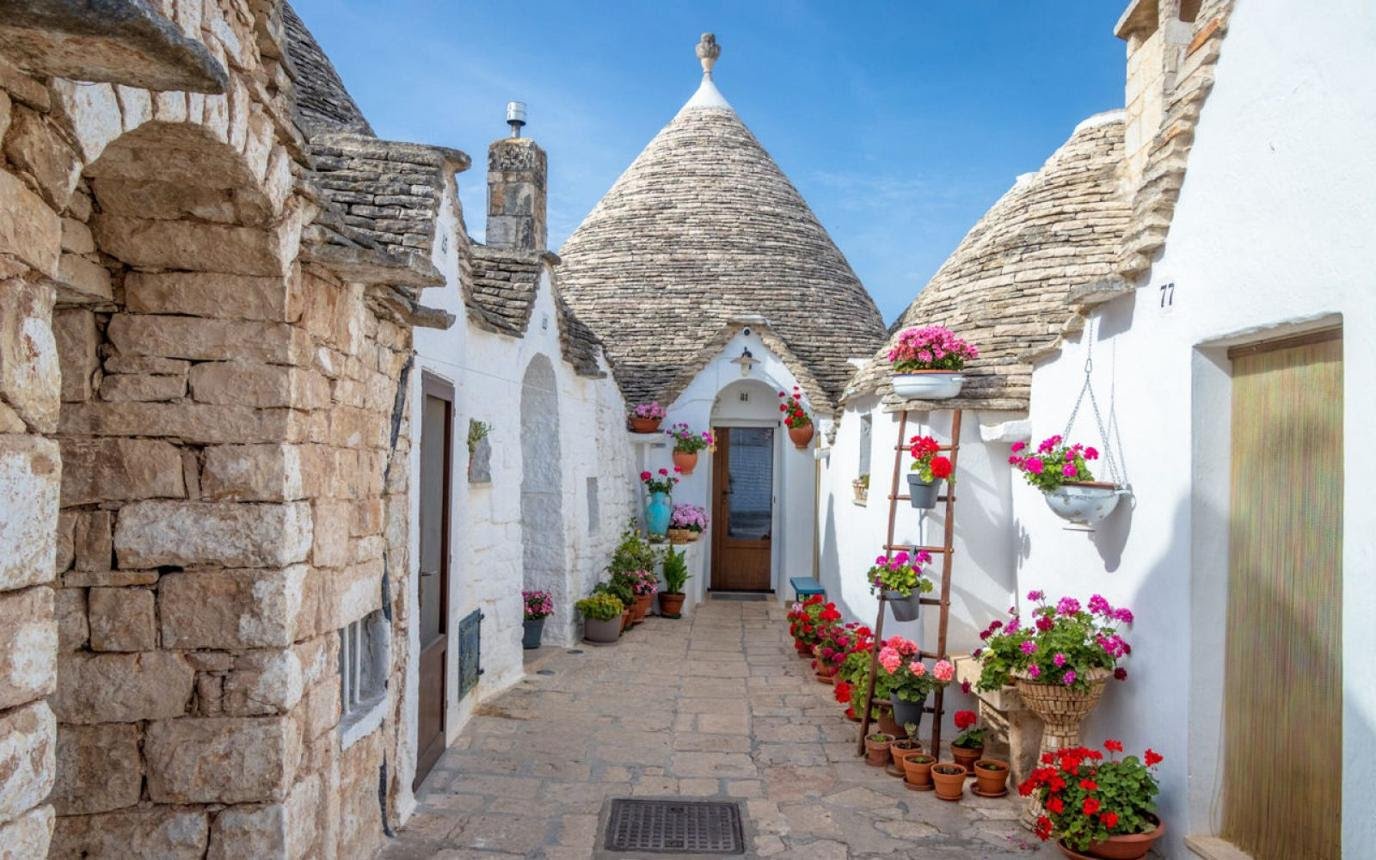
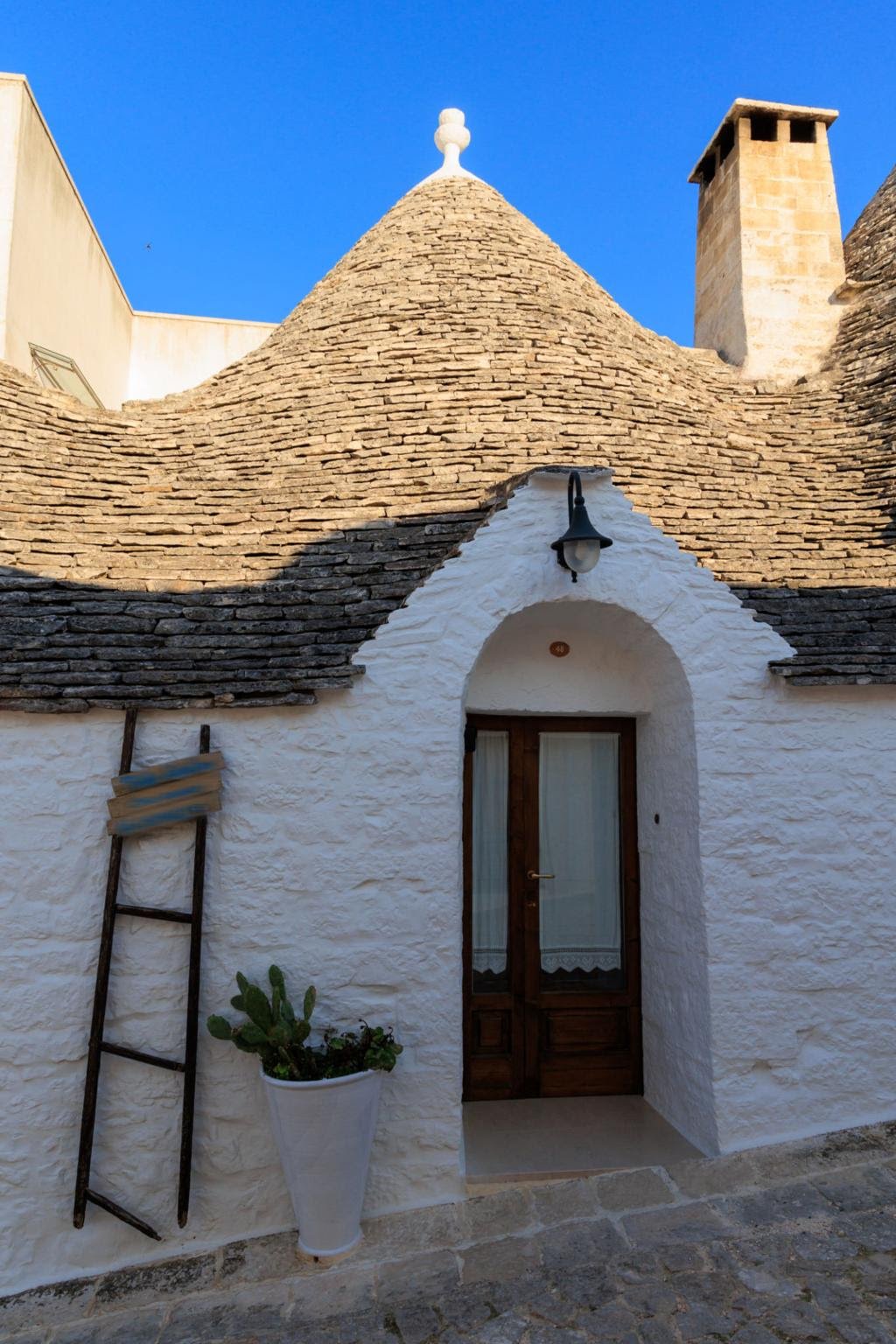
Trulli: the poetry of stone
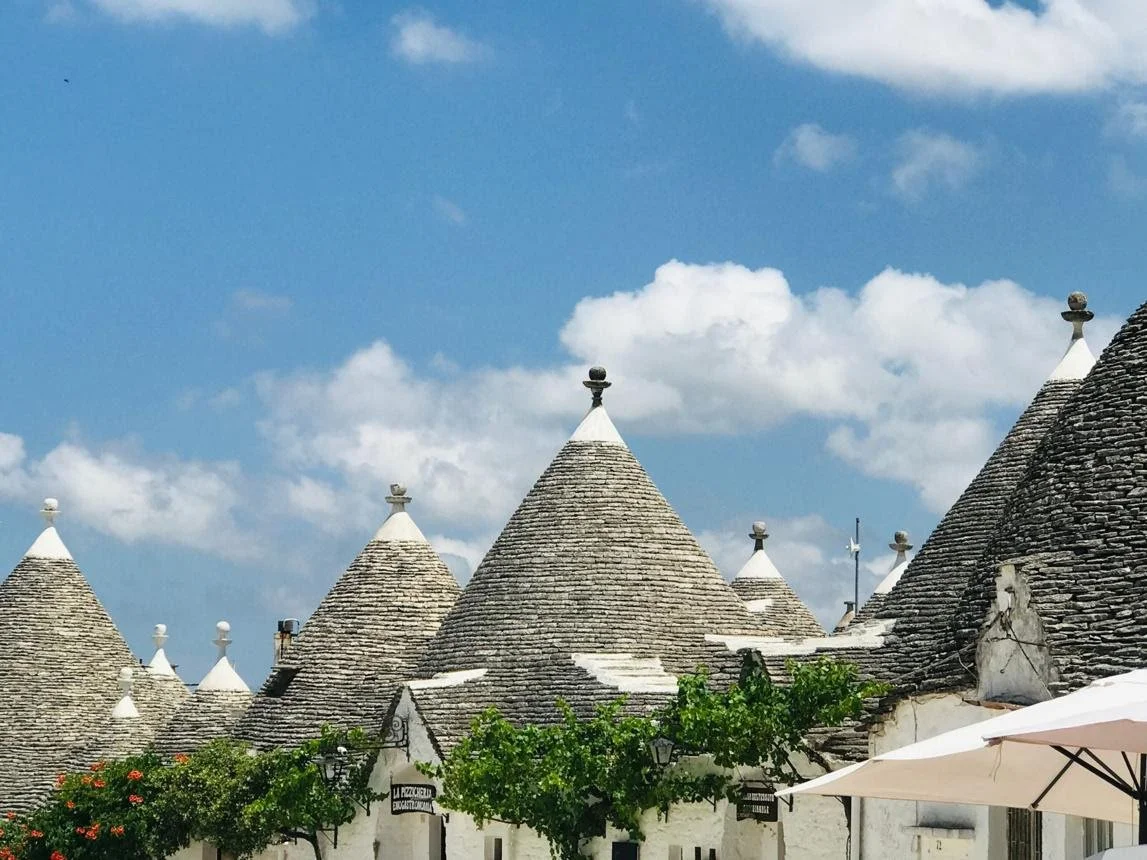
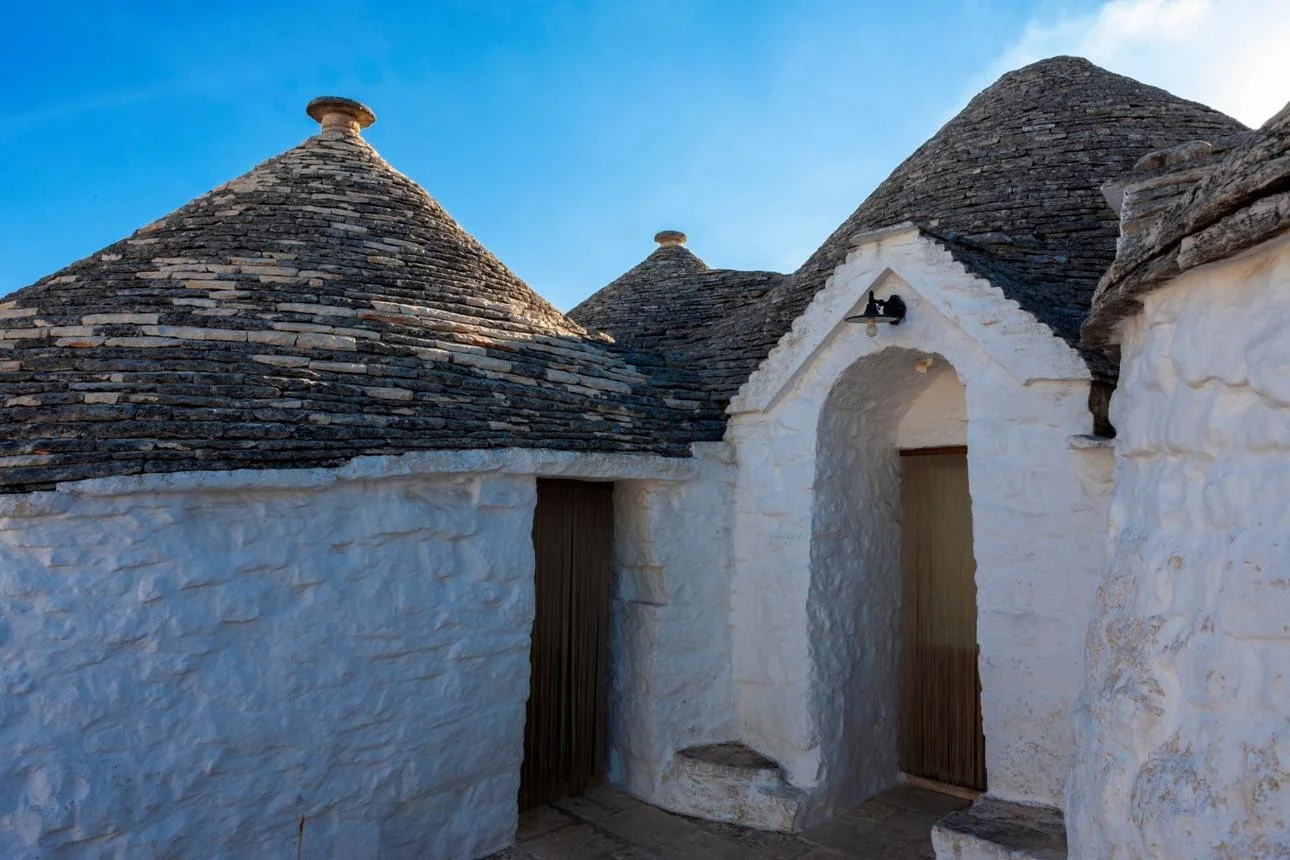
Trulli are one of the purest expressions of vernacular architecture. Built in dry stone, without mortar, they emerge directly from the landscape.
Their thick walls and conical roofs create intimate, cool spaces shaped by the Mediterranean climate.
More than buildings, they are shelters that tell stories of ingenuity, necessity, and essential beauty.
Masserias: the soul of the countryside
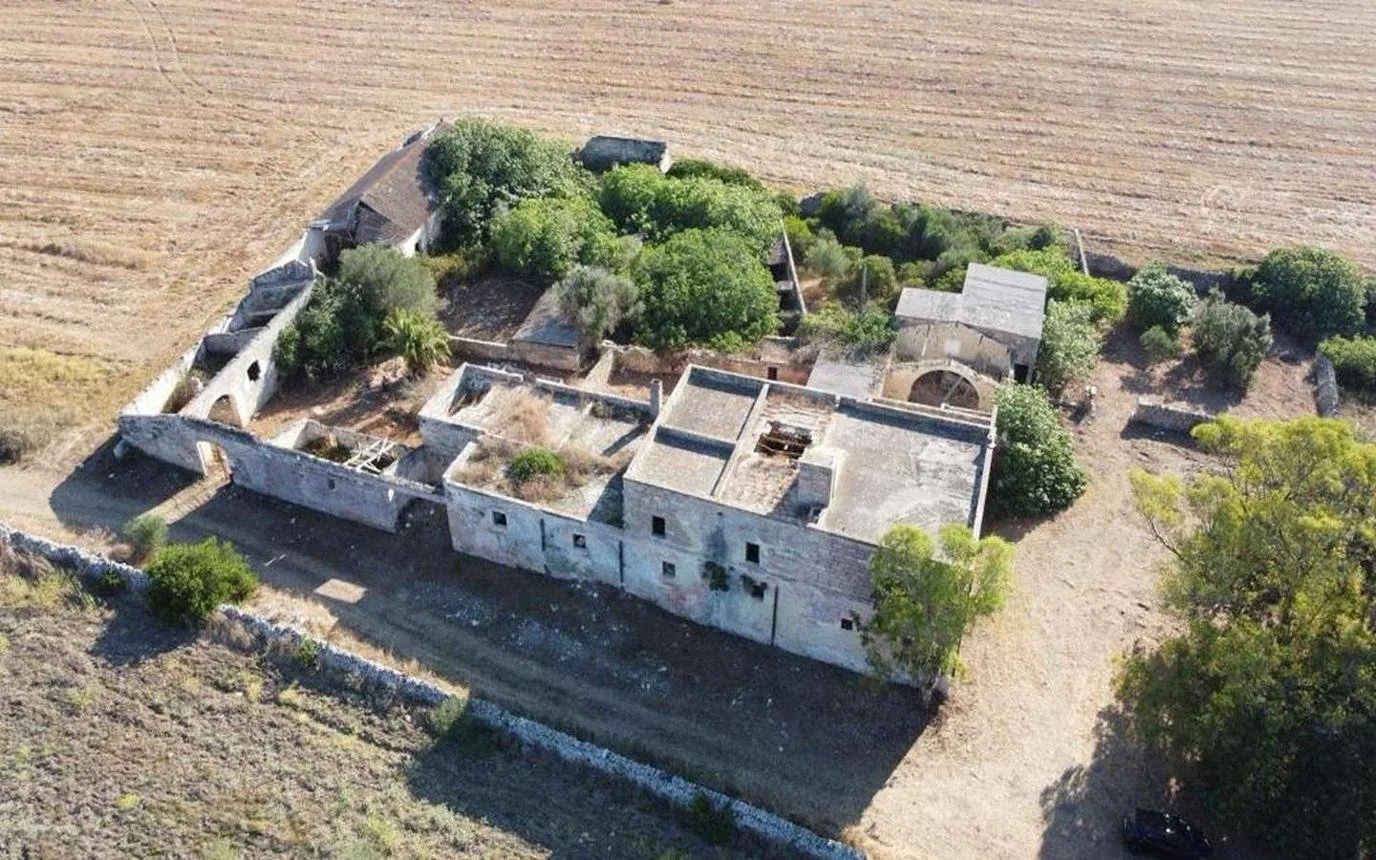
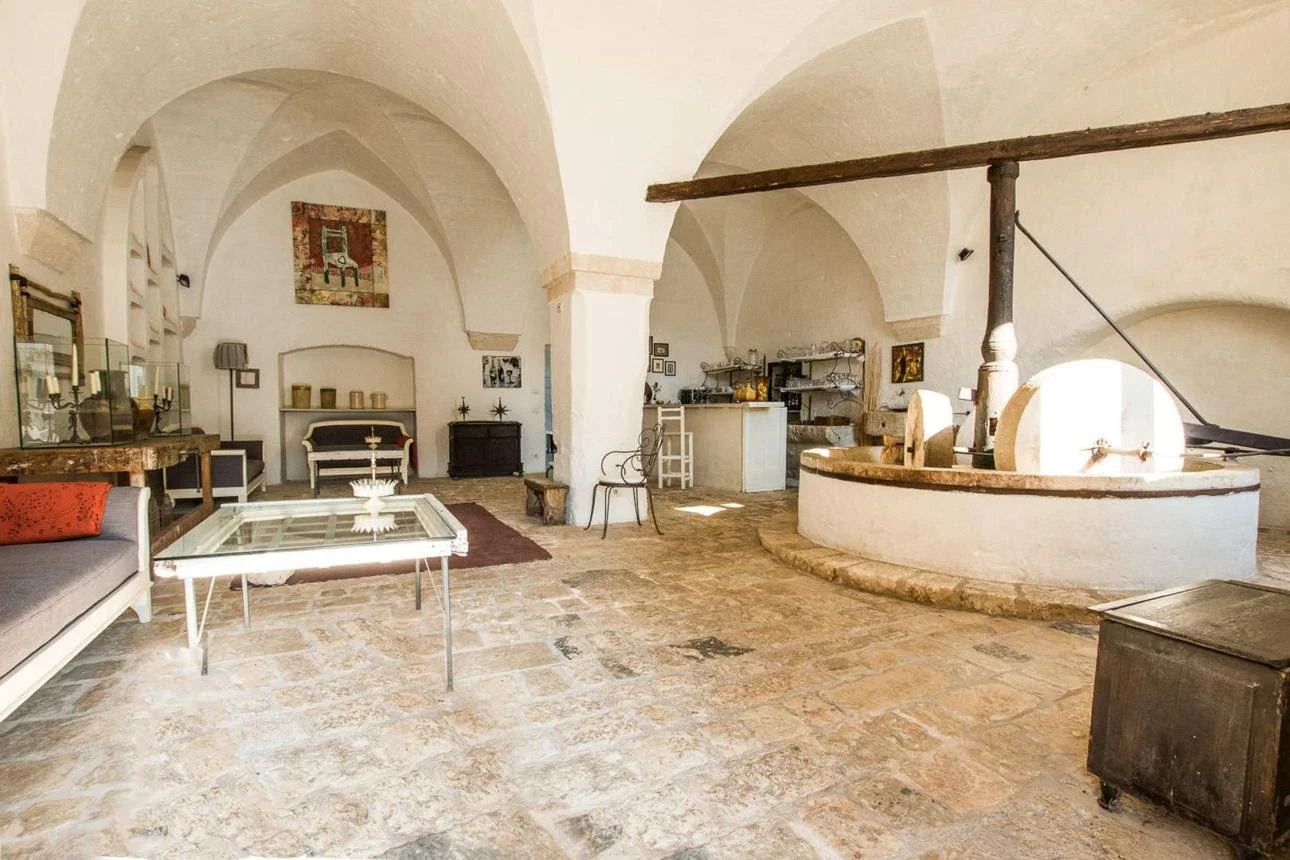
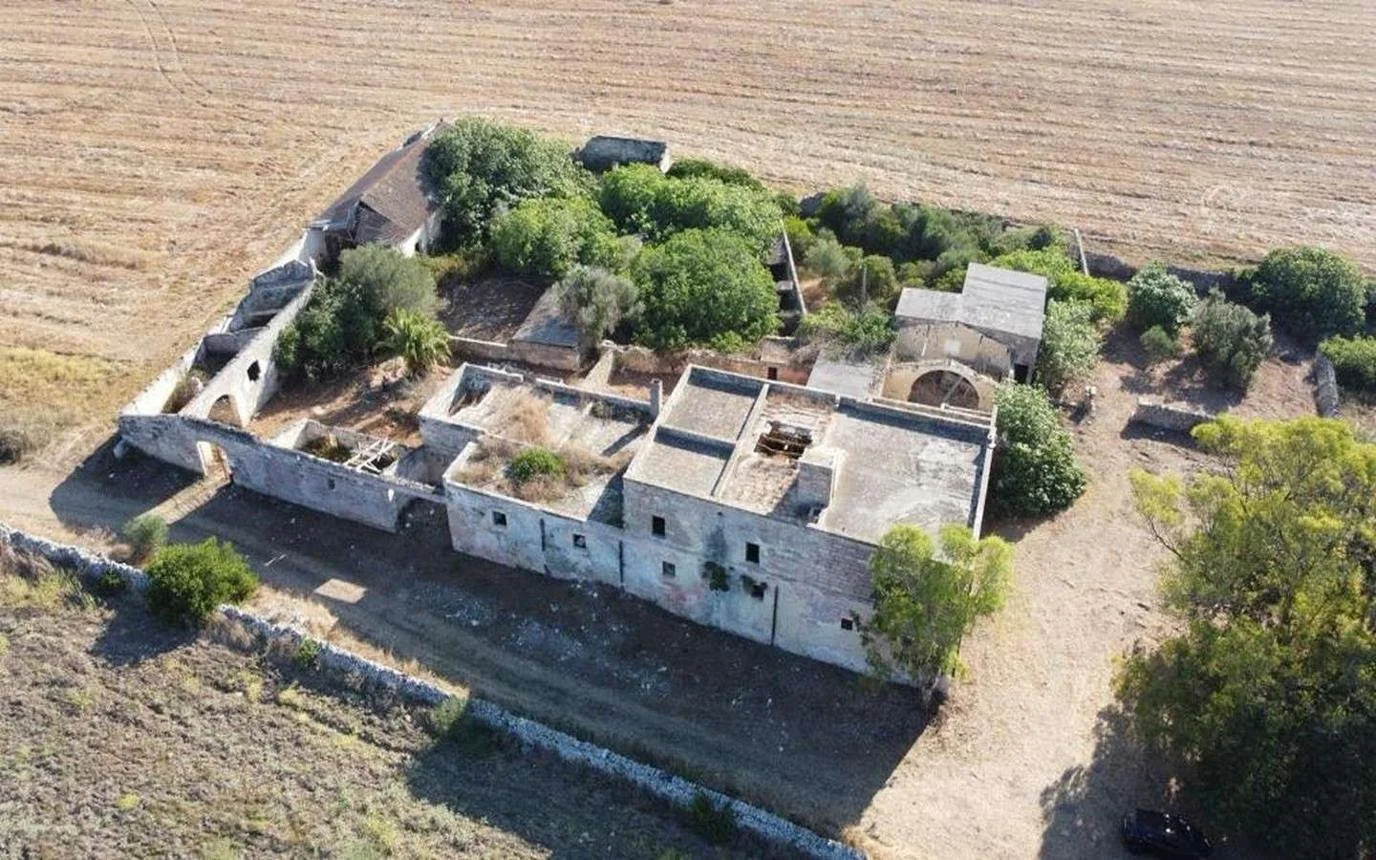
Masserias are at the heart of rural life in Puglia. Former agricultural compounds were arranged around courtyards, where domestic life and work coexisted.
Built in local limestone and sometimes defensive in character, they are now becoming hospitality spaces that still preserve calm, authenticity, and a deep connection to nature.
Architecture in Mexico
Haciendas: memory and grandeur
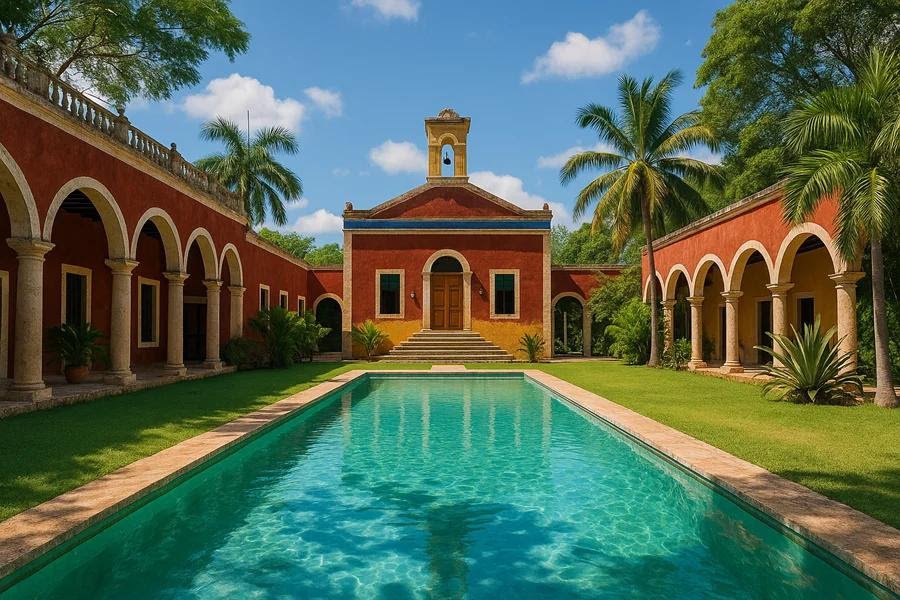
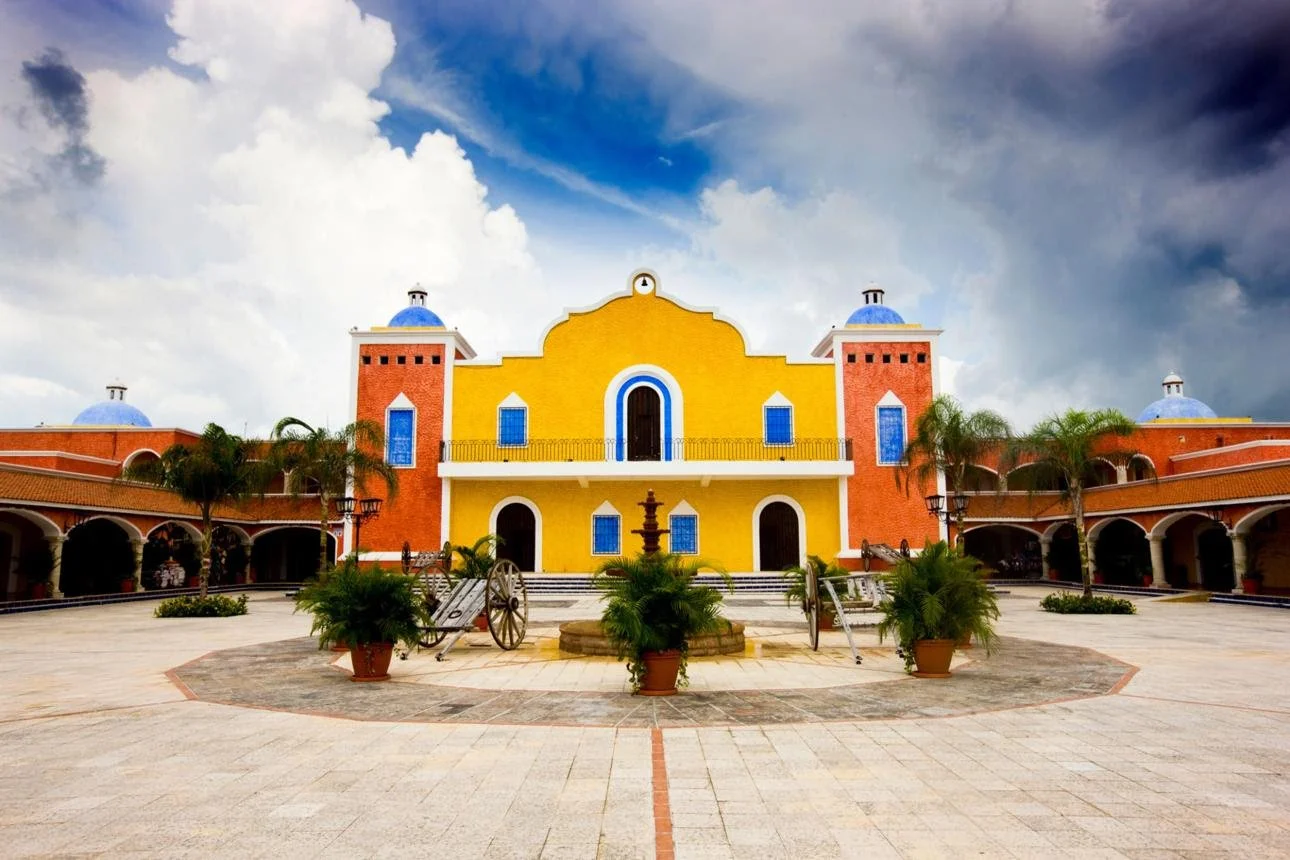
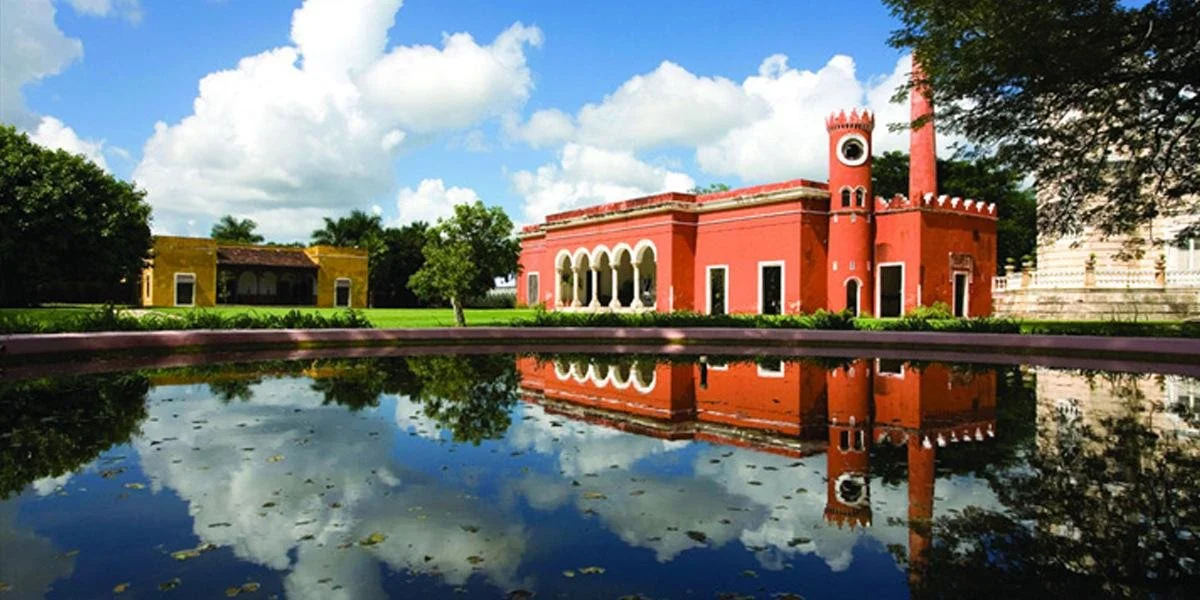
Mexican haciendas evoke history, territory, and production. With central courtyards and monumental structures, they once served as economic and social hubs.
Their architecture combines function and symbolism, reflecting a profound relationship with the land.
Mayan houses: the wisdom of essentials
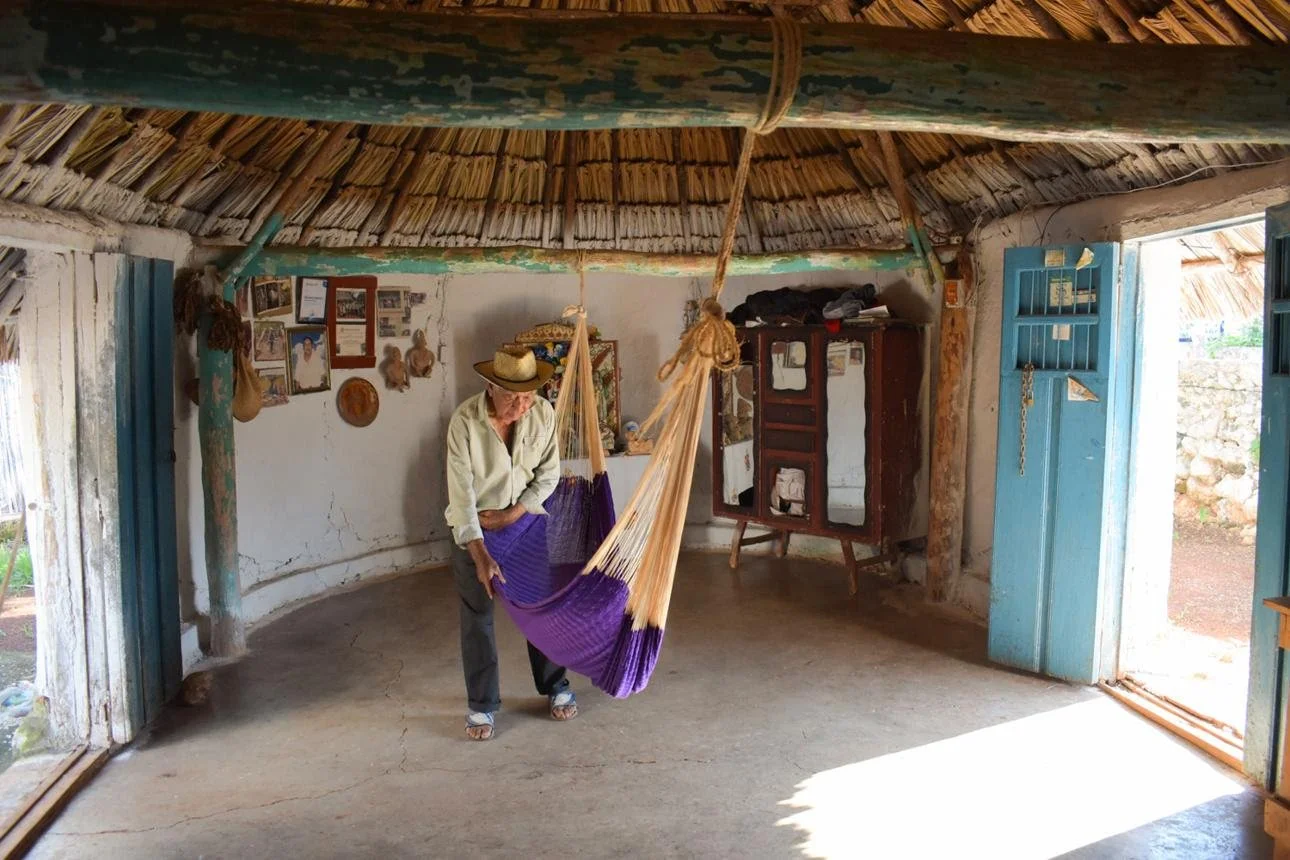
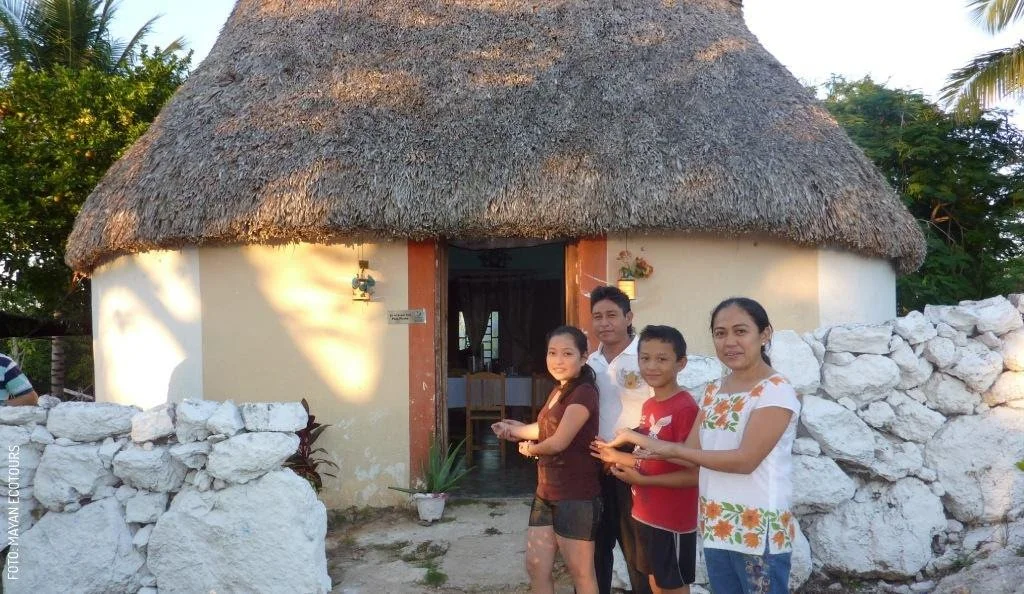
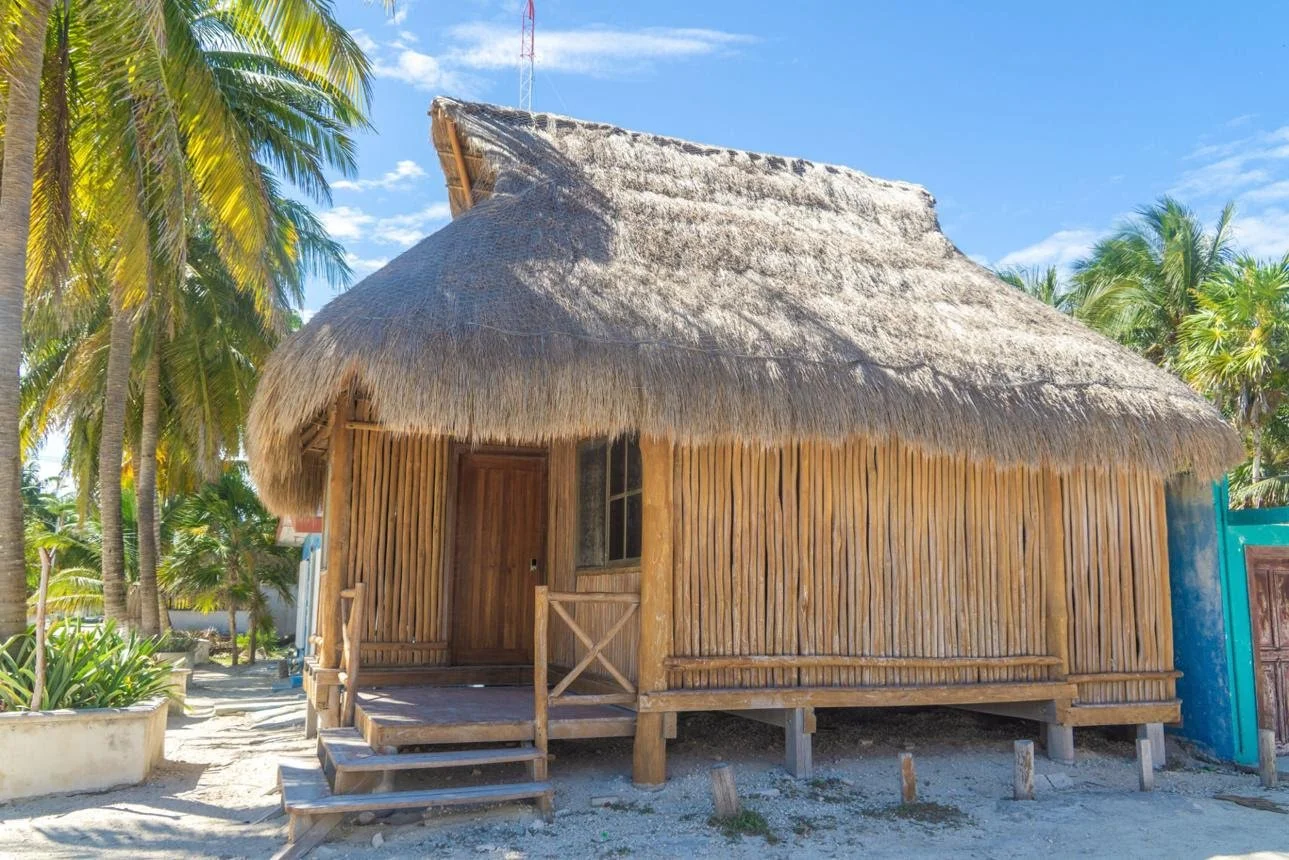
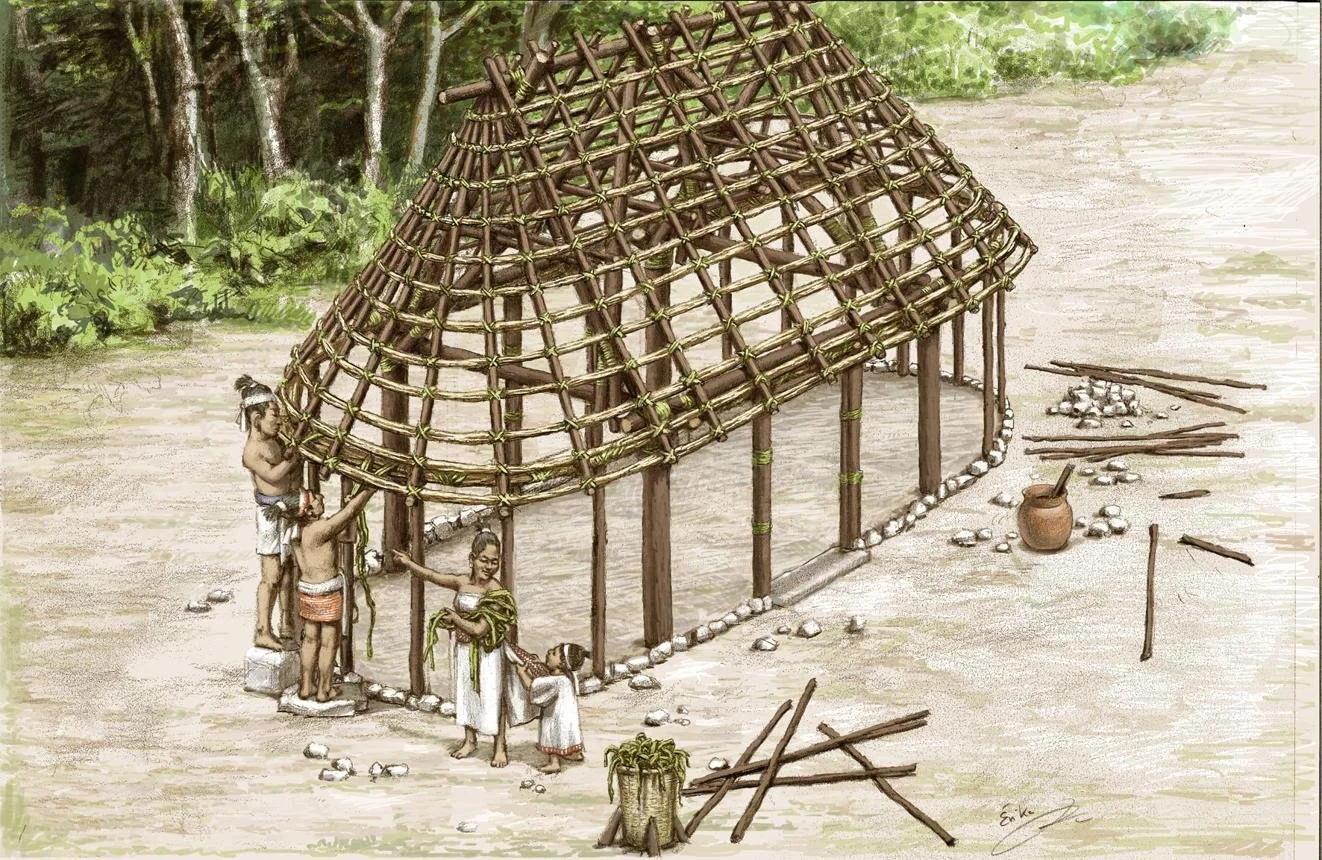
Mayan houses represent a light, living architecture perfectly adapted to the tropical climate.
Built with natural materials and open to air and light, they are spaces that breathe with their surroundings.
Here, architecture does not dominate: it accompanies.
Similarities beyond borders
• Use of local materials.
• Intelligent climate adaptation.
• Direct relationship with agriculture.
• Traditional techniques passed down across generations.
• Human scale and a strong sense of community.
Reflection
These architectures remind us that true luxury does not lie in the artificial, but in the authentic.
Today, places such as masserias reinterpret this legacy, offering experiences where time slows down and the bond with the land becomes central again.